1967 Iceland Astronaut Training Cover Operation
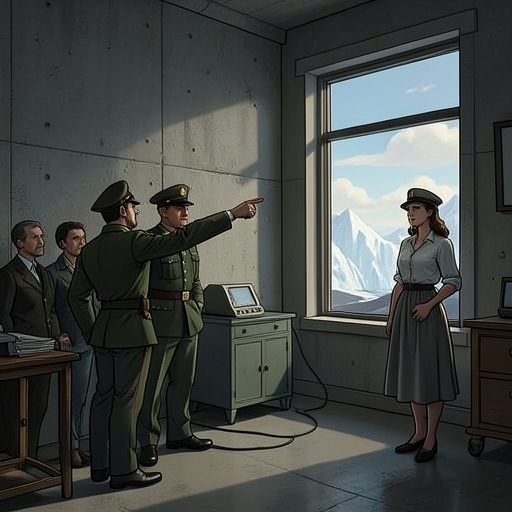
Operation NapoleonThe 1967 Iceland Astronaut Training Cover Operation turned a celebrated astronaut visit into a screen for a secret military expedition. While Icelanders were encouraged to see Armstrong and other astronauts training in lava fields for the conditions of the Moon, American forces were making their largest troop and equipment movements in Iceland since the war, preparing to investigate something found on Vatnajökull Glacier.
Discovery on the Glacier
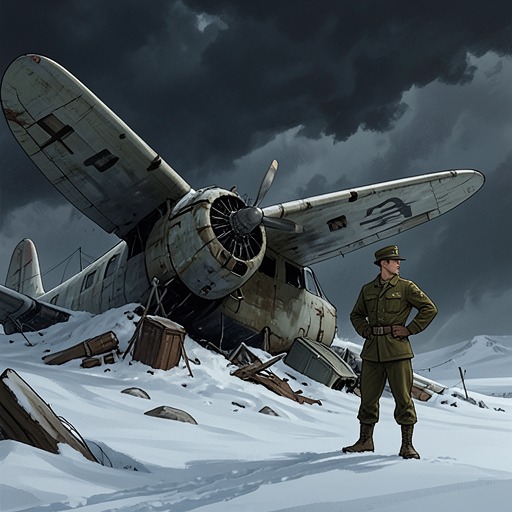
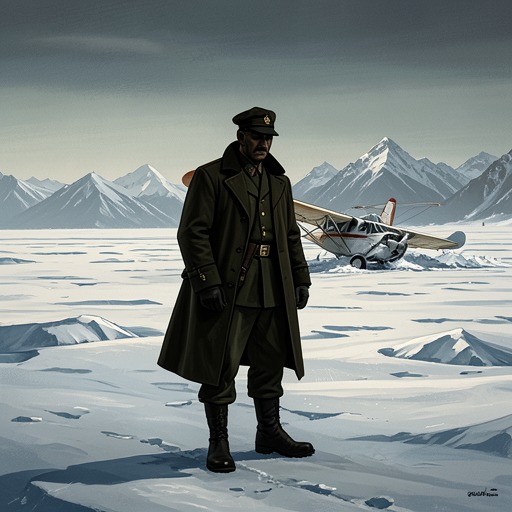
The operation’s immediate trigger was a surveillance flight in 1967. Leo Stiller, then in command of surveillance flights, was carrying out a routine assignment when he thought he saw something on the ice. He flew back and forth over the area, taking photographs. Michael Thompson later recounted the episode, explaining that he had not been involved and had heard the account from Stiller afterward.
An attempt to land a helicopter failed. Because it was the middle of winter, the Americans instead sent a small expeditionary force to the glacier with a metal detector. That expedition led to preparations for a much larger operation, conducted in the utmost secrecy. The evidence establishes the sequence from aerial observation to ground search and military buildup, but does not specify what the initial expedition found or what the major operation ultimately recovered.
The Astronaut Cover
Military intelligence understood that Icelanders were sensitive to troop movements, particularly in that period. The cover story made the military activity appear connected to astronaut training: the interior landscape was said to resemble the Moon, and the astronauts’ presence gave the explanation a conspicuous, publicly appealing face. Icelanders welcomed the visitors and were correspondingly receptive to the manoeuvres associated with their training.
The choice of cover drew on an earlier episode. In the summer of 1965, a group of astronauts made an incognito refuelling stop at Keflavík. The press office capitalized on the visit, and the story caught the public imagination. Captain Parker, who had been in charge of that group, later proposed inviting Armstrong to Iceland for the 1967 operation. By then Armstrong had commanded the Gemini 8 mission, making his appearance an even greater attraction. The cover thus reused the public fascination created by the earlier visit while giving the new military movements a fresh explanation.
Secrecy and Its Limits
The secrecy surrounding the glacier mission was substantial, but not complete. Thompson described Iceland as a very small community and said that people heard about the operation despite efforts to keep it secret. The astronaut-training account could divert attention and explain visible activity, but it could not guarantee that the military buildup would go unnoticed.
In retrospect, the contrast between the public story and the operation’s actual scale is the episode’s defining reversal. A familiar account of lunar preparation concealed a search connected to an unexplained sighting on Vatnajökull, while the arrival of celebrated astronauts helped mask troop and equipment movements of exceptional size. The later discussion links the search to the aircraft at the centre of the wider crisis, but the account of the 1967 operation does not establish that its participants knew the aircraft’s cargo or the secrets later associated with it.